Pathways Into, Through, and Beyond the Illicit Massage Industry
Illicit massage businesses (IMBs) operate in plain sight across the United States, yet the women inside them remain largely unheard. They are rarely asked what they need, what they fear, or what they hope for. This Survivor Outreach Project is an effort to change that.
Pathways Into, Through, and Beyond the Illicit Massage Industry
Illicit massage businesses (IMBs) operate in plain sight across the United States, yet the women inside them remain largely unheard. They are rarely asked what they need, what they fear, or what they hope for. This Survivor Outreach Project is an effort to change that.
Approaches to disrupting trafficking in the illicit massage industry must be strategic, with a focus on attacking the business model rather than treating cases as isolated incidents. The video reinforces The Network’s core message: durable solutions require data, coordination, and systemic pressure.
A survivor shares a firsthand account of exploitation in the illicit massage industry, offering a direct window into the coercion and trauma behind storefront operations. The video centers survivor experience and helps illustrate the human impact behind IMB data and enforcement work.
The Illicit Massage Industry: A Financial Baseline
The US illicit massage industry operates as a largely unregulated, multibillion-dollar transnational criminal enterprise. To defeat illicit massage traffickers, we need to learn how the money works.
How can so many illicit advertising websites continue to profit off human trafficking and exploitation without consequence? As you might imagine, the answer is complex.
“Why don’t the women just leave?” When answering this question, it is critical to understand the nuances of force, fraud, and coercion that traffickers use to exploit workers in the illicit massage industry.
It's imperative to understand realities of victimization inside illicit massage businesses and how women are exploited through coercion, control, and commercial sexual violence. This video offers a strong foundational overview of why IMBs should be understood as a trafficking issue, not isolated illegal storefronts.
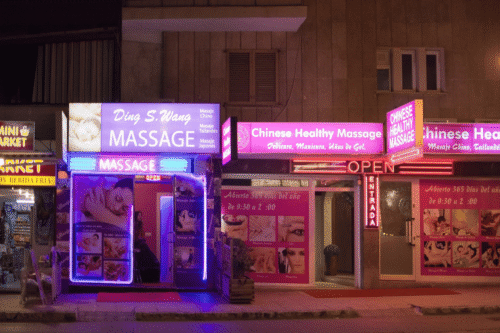
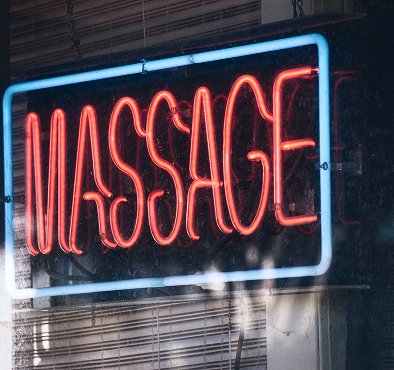
It’s everywhere. It’s extremely profitable. And it’s exploiting women with vulnerabilities. As of 2023, there are over 13,000 illicit massage businesses (IMBs) in all 50 states. Whether in big cities or small towns, this criminal industry is thriving in plain sight.
Lack of Impact Data Hinders Efforts to Deter Sex Buyers
The quantifiable impact of demand deterrence tactics is almost never measured. If we want to effectively combat human trafficking, then this needs to change.
Strengthening local massage ordinances, with both effective prevention and enforcement measures, is critical to create an inoperable environment for illicit massage traffickers.
Prosecuting Illicit Massage Networks More Effectively
Tax evasion. Money laundering. Racketeering. Labor law violations. If we want to defeat traffickers, then we need to charge outside the (human trafficking) box.
The Backdrop of Atlanta: Ignoring IMBs Perpetuates Worker Vulnerability
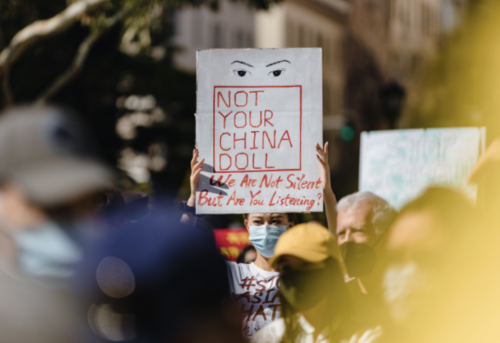
The Atlanta shootings were an utter tragedy. But failing to have difficult conversations about the nature of these businesses only protects the owners who profit off exploitation.